

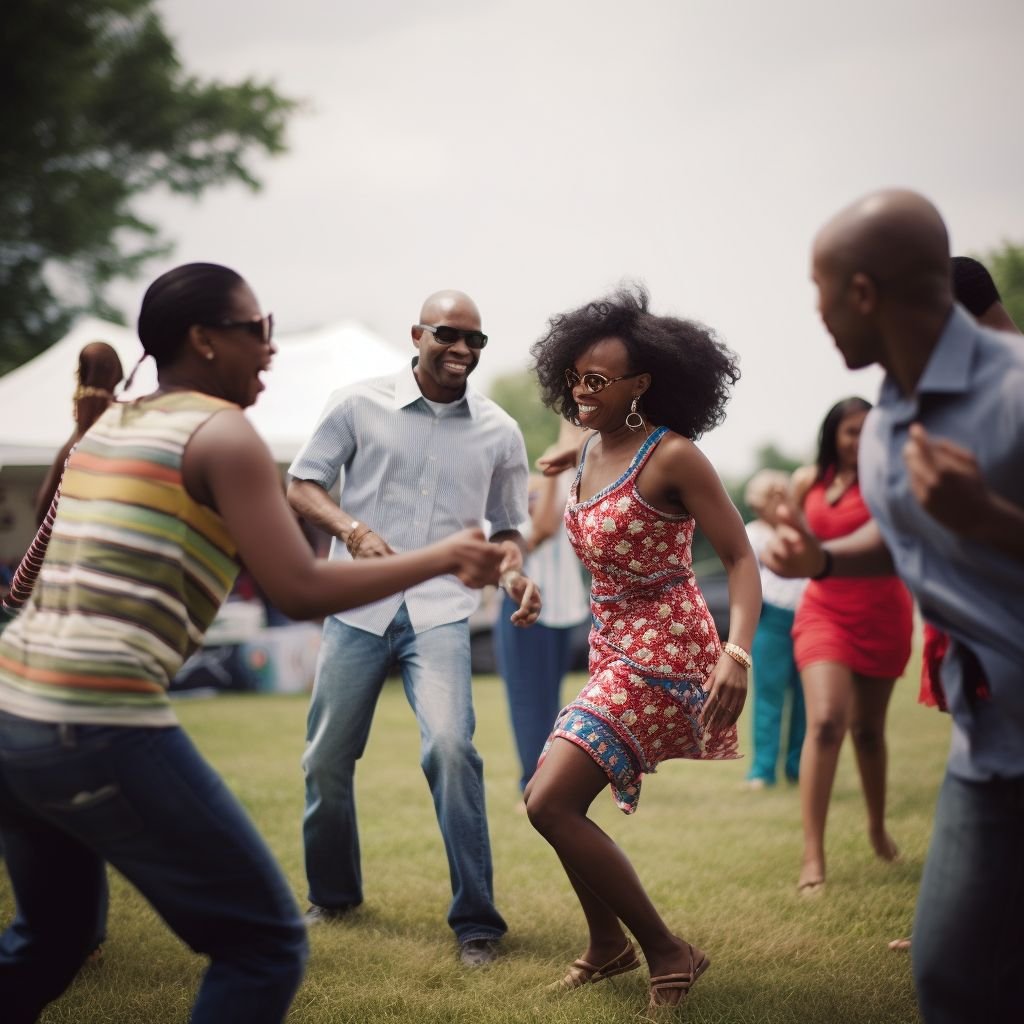
Festivals are often marketed as celebration,music, color, food, dance, spectacle. To the casual traveler, they’re something to photograph, sample, and move on from. But to the observant man, festivals are something else entirely: compressed cultural blueprints.
They reveal who holds power, how masculinity is defined, what a society respects, and what it quietly fears.
If you want to understand a country beyond its GDP, nightlife, or dating dynamics, don’t start with its laws. Start with its festivals. Because festivals are where societies stop pretending.
Festivals as Social X-Rays
A festival is not random joy. It has an organized meaning.
Every element,who leads, who follows, who watches, who participates,reflects a hierarchy that already exists in daily life. The difference is that during festivals, these hierarchies are amplified and ritualized.
Ask simple questions:
- Who is allowed at the center?
- Who performs labor versus who performs honor?
- Who is celebrated publicly, and who is invisible?
- What traits are praised,strength, endurance, beauty, discipline, obedience, sacrifice?
The answers tell you far more about a society than any tourism board ever will.
Power on Display: Who Commands the Crowd?
In many traditional festivals, power is not subtle.
West African Festivals
In parts of West Africa, festivals often revolve around chiefs, kings, and lineage heads. The procession order matters. Drums announce authority. People kneel. Titles are spoken aloud.
This tells you something important:
Power here is historical and communal, not bureaucratic. Authority is embodied, not abstract. Masculinity is tied to lineage, responsibility, and the ability to protect collective memory.
Even modern politicians who attend these festivals defer to traditional rulers,revealing that real legitimacy still flows from cultural roots, not just office.
Latin American Festivals
Contrast this with many Latin American carnivals, where power appears inverted. Ordinary people mock elites, wear exaggerated costumes, and temporarily abandon rigid roles.
But this “chaos” is also controlled. It happens once a year. The system allows rebellion briefly so order can resume.
That tells you something else:
Power here is flexible but protected. Masculinity is expressive, emotional, and performative,but still bounded by unspoken rules.
Masculinity: What Men Are Expected to Embody
Festivals quietly teach boys what it means to become men.
Physical Endurance and Risk
In parts of Southern Europe and Latin America, festivals involve physical risk,bull runs, fire jumping, long-distance processions, or brutal dances.
Pain is not accidental. It is symbolic.
Masculinity here is associated with:
- Courage
- Public risk
- Emotional restraint under pressure
- Spectacle over privacy
Men earn respect by being seen enduring hardship.
Discipline and Precision
In East Asian festivals, masculinity often looks very different. Think of Japanese matsuri where men carry heavy shrines in perfect synchronization.
Strength matters,but control matters more.
Masculinity is defined by:
- Discipline
- Group harmony
- Respect for hierarchy
- Mastery of form
The strongest man is the one who can submit to structure without losing dignity.
Absence Speaks Too
Equally revealing is where men are not central.
In some Southeast Asian and Caribbean festivals, women dominate performance, dance, and visual storytelling. Men often manage logistics quietly or fade into the background.
This doesn’t mean men lack power,but it shows that masculinity is not always the cultural centerpiece. Value is placed elsewhere: beauty, fertility, rhythm, or spiritual mediation.
What a Society Worships (and What It Doesn’t)
Festivals expose values because they show what people are willing to spend time, money, and emotional energy on.
Spiritual vs Material Orientation
In countries where religious festivals shut down cities, spirituality still outranks productivity. Work pauses. Profit waits.
In contrast, in highly commercialized societies, festivals are sponsored, branded, monetized, and optimized. Celebration must justify itself economically.
This reveals a deep value difference:
- One culture prioritizes meaning over efficiency
- The other prioritizes output over ritual
Neither is “better,” but one produces men oriented toward legacy, while the other produces men oriented toward performance metrics.
Sexual Dynamics and Social Permission
Festivals often create temporary moral exemptions. What is frowned upon during normal life becomes tolerated, lor even encouraged.
This matters.
If a society allows flirtation, intoxication, or sexual openness only during festivals, it suggests that desire is contained, not integrated into daily life.
If such behaviors are common year-round, festivals instead focus on community, history, or spirituality.
For men navigating dating, relationships, or long-term relocation, this distinction is critical. Festivals reveal:
Whether desire is feared or accepted
Whether masculinity is associated with restraint or conquest
Whether female sexuality is policed or celebrated
These patterns don’t disappear when the music stops.
Modernity vs Memory: What Gets Preserved
Watch what happens when younger men participate in festivals.
Are they proud,or bored?
Are they learning roles or improvising?
Are elders respected or tolerated?
In countries where young men take rituals seriously, masculinity remains tied to continuity.
In countries where festivals are treated as costumes for tourists, masculinity shifts toward individualism and novelty.
This tells you whether a society sees the past as a burden or a foundation.
Why This Matters for Globally Minded Men
If you’re building a life across borders,dating, investing, relocating, or simply expanding your worldview,festivals are not entertainment. They are intelligence briefings.
They help you answer questions like:
- Where will I be respected as a man,and why?
- What kind of masculinity is rewarded here?
- Is power centralized, symbolic, or negotiable?
- Do values run deep,or are they performative?
You can adapt faster when you understand the ritual logic of a place.
Final Thought: Festivals Don’t Lie
People lie. Governments lie. Marketing lies.
Festivals don’t.
They show you:
- Who leads when it matters
- Who is honored without being paid
- Who is allowed to take space
- What is sacred enough to stop normal life
For men who move intentionally through the world, this knowledge is not academic. It’s strategic.
Watch the Festivals,and you’ll understand the society long before it explains itself.