

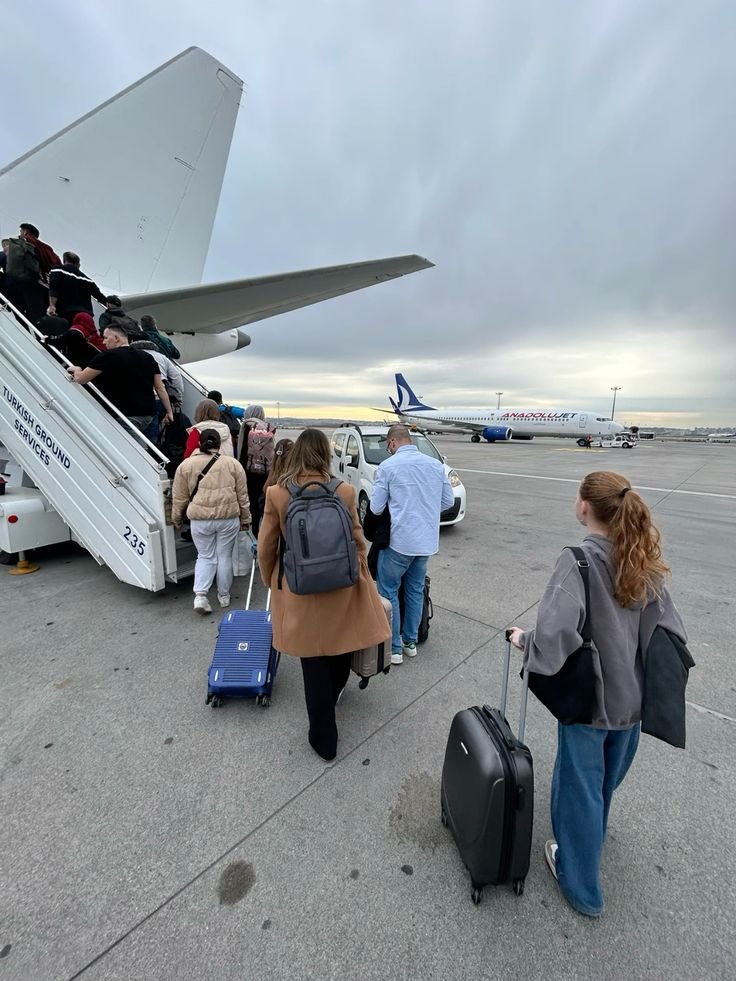
Starting fresh in a new country is more than booking a flight and unpacking your bags. It’s a psychological transformation. Every man who takes that leap faces an internal shift that is as real as the external one. Whether you’re chasing freedom, love, opportunity, or simply escape, the psychology of starting over abroad can make or break your journey.
This isn’t just about logistics,finding an apartment, setting up a bank account, or navigating visas. It’s about the mental frameworks that shape how well you adapt, how resilient you remain, and whether you thrive or fail when dropped into an unfamiliar environment.
1. The Allure of the “Clean Slate”
Western men,especially those carrying the weight of stagnant careers, cultural alienation, or dating frustration,often see relocation as a reset button. Psychologists call this the “fresh start effect.” A new environment creates mental distance from past failures and allows you to reframe your identity.
In practice, this means that moving to Colombia, Turkey, or Thailand isn’t just geography. It’s an act of self-reinvention. You’re no longer bound by your old reputation, limiting beliefs, or the social hierarchies that defined you back home.
But beware;the promise of reinvention can quickly collapse if you import the same habits, attitudes, and wounds you left behind.
2. Identity Shock: Who Are You Without Your Old Context?
Back home, your identity is often tied to work, race, family, and social circles. Abroad, much of that is stripped away. No one knows your job title, your status symbols, or your history.
This can feel liberating;but also disorienting. Psychologists describe this as “identity shock”,the destabilization of your sense of self when the familiar cues are gone. For many men, this is the hardest adjustment: realizing that who you were in Los Angeles or London does not automatically translate to who you are in Mexico City or Belgrade.
The challenge becomes;”can you rebuild an authentic identity that isn’t dependent on external validation?”
3. The Cycle of Culture Shock
Culture shock isn’t just about language barriers or weird food. It follows a predictable psychological cycle:
- Honeymoon phase – Excitement, novelty, optimism. Everything feels like an adventure.
- Frustration phase – Misunderstandings, isolation, bureaucratic headaches. Doubts creep in.
- Adjustment phase – Slowly, you develop routines, adapt to norms, and gain competence.
- Integration phase – The country starts to feel like home.
Men who don’t understand this cycle often give up too soon,returning home in frustration when they were only halfway through the adaptation process.
4. Loneliness vs. Connection
One of the hardest psychological battles is loneliness. In the West, your social connections,friends, coworkers, family,are baked in. Abroad, you’re starting from zero.
For some men, this isolation becomes crippling, leading them to retreat into expat bubbles or destructive habits. For others, it becomes a forcing function,pushing them to learn the language, connect with locals, and build relationships more deliberately than they ever did at home.
The psychological key here is openness. If you approach the new country with curiosity instead of judgment, connection follows.
5. Resilience and Adaptability: The Core Traits
Ultimately, success abroad comes down to two psychological traits:
- Resilience – the ability to recover quickly from setbacks (visa issues, scams, rejection, homesickness).
- Adaptability – the flexibility to adjust your expectations, embrace discomfort, and navigate uncertainty.
Starting over in a new country isn’t about perfection,it’s about being willing to learn, fail, and recalibrate without crumbling.
6. The Shadow Side: Escapism vs. Growth
There’s a danger in viewing relocation as pure escape. If you’re running from problems,debt, trauma, broken relationships;without doing the inner work, the same demons will follow you to your new home.
Psychologists warn about the “geographic cure”,the false belief that changing location will automatically change your life. It won’t. The only sustainable path is combining external change with internal growth.
Final Thoughts
The psychology of starting over abroad is not about erasing who you are,it’s about expanding who you can become. Every man who takes that leap must wrestle with identity, loneliness, culture shock, and the temptation of escape.
But for those who embrace the discomfort, the rewards are profound: deeper self-awareness, resilience forged under pressure, and a life that is truly self-directed.
Because starting over in a new country is not just a change of address,it’s a test of character. And for many men, it’s the exact test they need.