

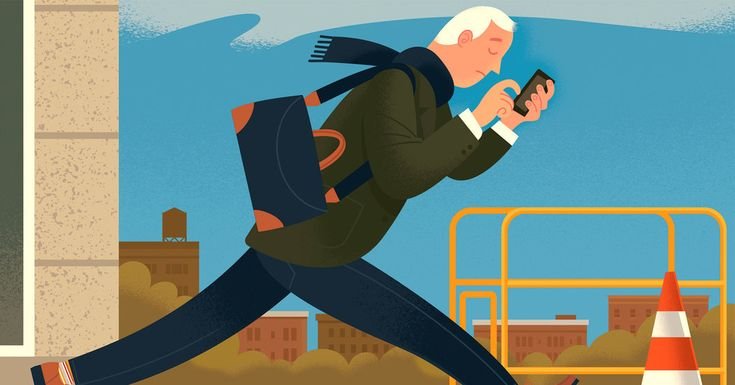
Modern life has solved many problems that once consumed entire generations. Climate-controlled homes, instant food delivery, frictionless payments, entertainment on demand,comfort is no longer scarce. Yet despite unprecedented material ease, dissatisfaction is widespread. Anxiety, restlessness, burnout, and a vague sense of emptiness persist even among those who have “made it.”
This raises an uncomfortable question: If comfort is no longer the problem, what is?
For many globally mobile men,entrepreneurs, digital nomads, investors, and professionals,the answer is not more money, better apartments, or upgraded lifestyles. It has meaning. And meaning, unlike comfort, cannot be purchased, automated, or outsourced.
This article explores why the pursuit of meaning increasingly outweighs material comfort, how comfort quietly erodes purpose, and what a meaning-oriented life actually requires in practice,not theory.
Comfort Solves Pain, Not Direction
Material comfort is fundamentally defensive. It protects you from hunger, danger, instability, and inconvenience. Historically, this mattered because survival was uncertain. Comfort was the reward for discipline and labor.
But comfort was never designed to provide direction.
A man with no food thinks about food. A man with no shelter thinks about shelter. But a man whose needs are met begins to ask a more destabilizing question:
“What am I doing all this for?”
This is where modern dissatisfaction begins. Comfort removes external pressure but offers no internal compass. Once pain is reduced, purpose must replace it,or emptiness fills the gap.
Many men mistake this emptiness for a need for more comfort. Bigger homes. Softer routines. Easier work. More leisure. The result is not fulfillment, but dullness.
Comfort numbs. Meaning animates.
The Comfort Trap: When Ease Becomes the Enemy
Comfort is not evil. But unmanaged comfort quietly reshapes behavior.
Over time, it produces three predictable effects:
1. Risk Aversion Increases
When life is easy, discomfort feels catastrophic. Men become less willing to risk social status, income, or identity,even when stagnation is obvious. Growth slows, not because opportunity disappears, but because tolerance for discomfort collapses.
2. Identity Becomes Consumption-Based
Without meaningful struggle, identity shifts toward what is owned, displayed, or consumed. Travel becomes a flex. Experiences become content. Life becomes a performance rather than a practice.
3. Time Loses Weight
Comfort flattens time. Days blur. Weeks disappear. Without meaningful stakes, urgency fades. This is why many high-income men feel time slipping away while technically “living well.”
Meaning, by contrast, restores weight to time. It introduces consequences. It creates internal deadlines that comfort never can.
Meaning Is Not Happiness (And That’s the Point)
One of the biggest cultural lies is that meaning and happiness are the same goal. They are not.
Happiness is a state. Meaning is a structure.
Happiness fluctuates with mood, environment, and biology. Meaning persists even when conditions are harsh. In fact, meaning often requires difficulty.
This is why men can endure:
- Building businesses under extreme pressure
- Raising children through exhaustion
- Starting over in foreign countries
- Training their bodies past comfort
Holding to principles that cost them socially or financially
None of these are comfortable. Many are not “happy” at the moment. But they are meaningful.
A meaningful life is not one that feels good,it is one that makes sense.
Why Global Mobility Intensifies the Meaning Question
For Passport Champs readers, this issue is amplified by geography.
When you remove yourself from your birth country, you also remove:
- Familiar social scripts
- Cultural validation
- External expectations
- Institutional identity
This freedom is powerful,but destabilizing.
Without inherited meaning structures (career ladders, community roles, family expectations), you must actively construct meaning. If you don’t, lifestyle drift takes over.
This is why some men move abroad and thrive,while others spiral into shallow routines, excessive leisure, or quiet despair despite “living the dream.”
Geography alone does not create meaning. It only reveals whether you have one.
Material Comfort as a Temporary Tool, Not a Destination
The problem is not money. The problem is stopping at money.
Material comfort should function as infrastructure, not purpose. It creates space for:
- Focused work
- Long-term thinking
- Physical health
- Emotional regulation
But once infrastructure becomes the destination, stagnation follows.
Think of it this way:
Comfort is the floor
Meaning is the direction
Confusing the two leads to lives that are safe, pleasant, and deeply unfulfilled.
Where Meaning Actually Comes From
Meaning is not discovered. It is constructed through sustained engagement with four elements:
1. Responsibility
Meaning increases in proportion to responsibility. This can include:
- Building something that outlives you
- Being accountable to people who rely on you
- Carrying the consequences of your decisions
- Responsibility anchors identity. Without it, freedom becomes weightless.
2. Mastery
Progress toward competence,especially in difficult domains,creates meaning. This is why men gravitate toward:
- Skill-building businesses
- Physical training
- Craft, strategy, or systems
Mastery provides feedback from reality. Comfort provides none.
3. Values That Cost You Something
Values that require no sacrifice are preferences, not principles. Meaning arises when you choose standards that impose limits:
- Turning down opportunities that conflict with long-term goals
- Maintaining integrity when it’s inconvenient
- Accepting slower growth for alignment
- Cost is what turns belief into meaning.
4. Continuity Over Novelty
Meaning compounds. It does not reset every six months.
Constant novelty,new cities, new relationships, new projects,can feel exciting but often prevents depth. Meaning requires staying long enough to see consequences unfold.
This is why “slow travel” often produces more fulfillment than endless movement.
Why Men Abandon Meaning for Comfort (And Regret It Later)
Short-term comfort is seductive because it promises relief without demand. Meaning demands effort, uncertainty, and endurance.
But the tradeoff is inevitable:
- Comfort asks little now and takes much later
- Meaning asks much now and gives steadily over time
- Many men realize this only after years of drifting,when comfort has calcified into inertia.
The regret is rarely about not earning more. It is about not committing deeply enough to anything that mattered.
Reorienting Your Life Toward Meaning (Practically)
This is not about quitting everything or embracing struggle for its own sake. It is about realignment.
Start with these questions:
- What am I responsible for that would collapse without me?
- Where am I choosing ease over growth?
- What discomfort am I avoiding that I know is necessary?
- If comfort were guaranteed, what would still feel worth doing?
Meaning emerges when answers turn into actions,small, consistent, and sustained.
Conclusion: Comfort Is the Reward. Meaning Is the Mission.
Material comfort is not the enemy. But it is a poor master.
A life optimized only for ease eventually feels hollow because it lacks friction, consequence, and direction. Meaning restores those elements—not by making life harder, but by making effort worthwhile.
For men building lives across borders, systems, and cultures, the real challenge is not how to live comfortably anywhere,but how to live intentionally everywhere.
Because in the end, comfort fades. Status shifts. Locations change.
But meaning,when deliberately built,travels with you.